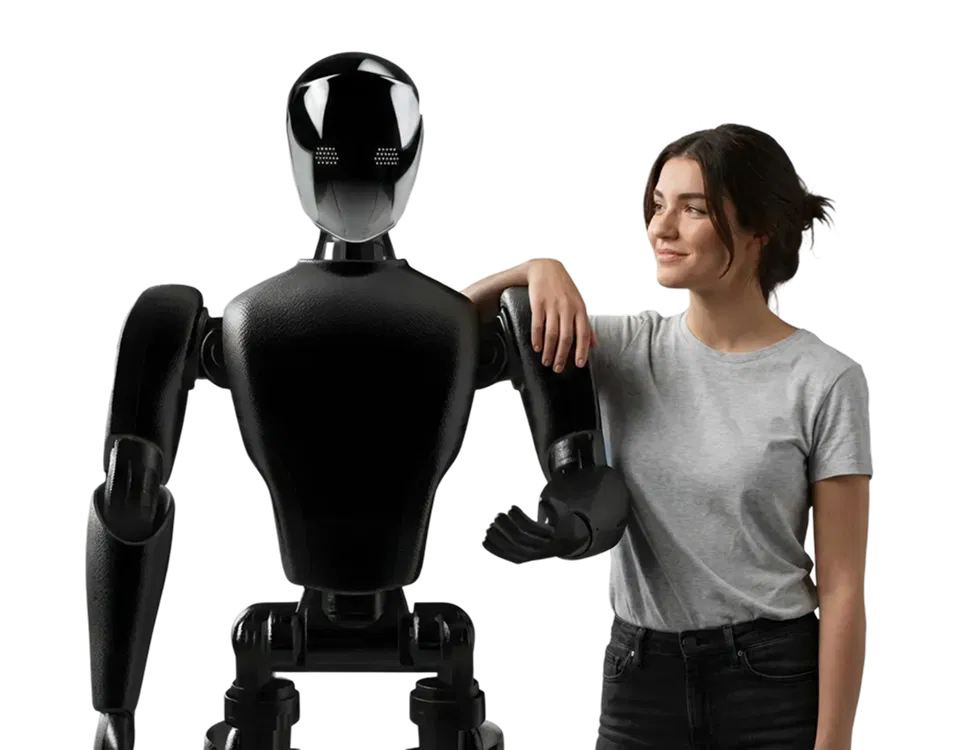
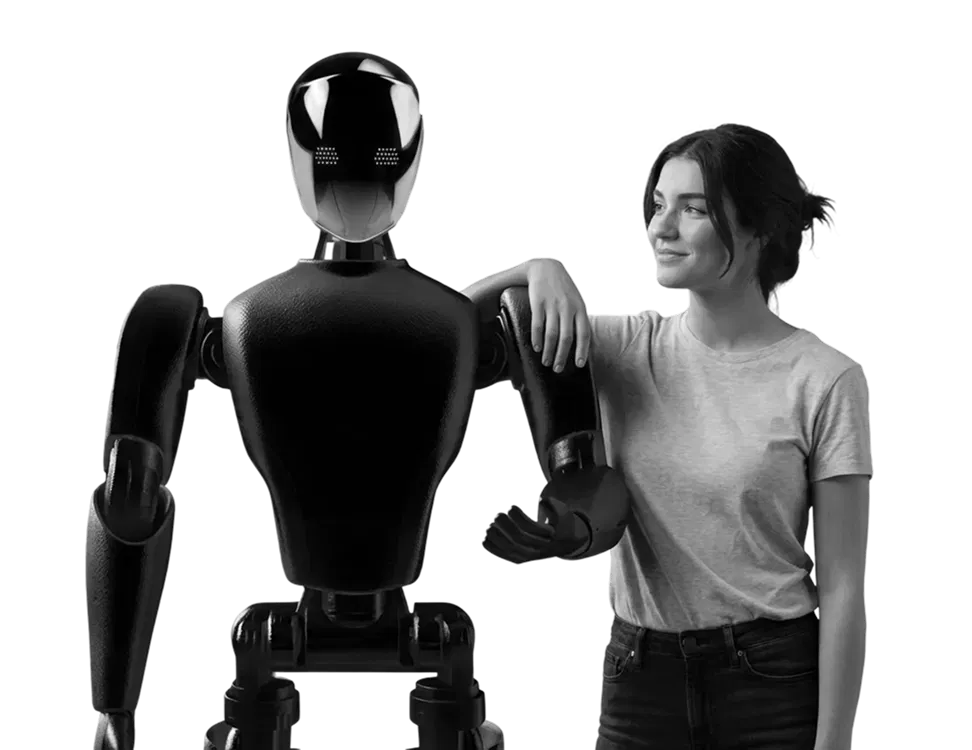
Designing a Robot People Can Trust
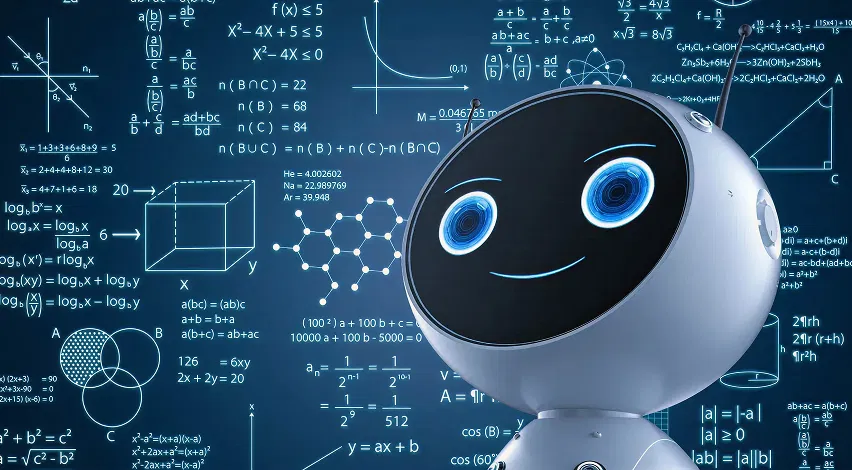
As robots move closer to everyday human environments, trust becomes the deciding factor between adoption and rejection. A robot can be technically advanced, but if people don’t feel safe or comfortable around it, they simply won’t use it.
Trust is not a feature that can be added later. It must be designed deliberately into how a robot looks, moves, communicates, and reacts.
Why Trust Matters in Human-Robot Interaction
When humans interact with robots, they constantly evaluate intent and reliability, often subconsciously.
Trust Is Emotional, Not Just Logical
People don’t assess robots only by accuracy or performance. They react to:
- Sudden movements
- Unclear actions
- Lack of feedback
- Unexpected decisions
Even a small surprise can create discomfort, especially in shared spaces.
Everyday Environments Raise Expectations
A robot operating in homes, offices, or public spaces is expected to behave safely around people of all ages. Mistakes feel more serious when humans are nearby.
Designing Behavior People Can Understand
One of the fastest ways to build trust is to make a robot’s behavior easy to predict.
Clear Signals and Intent
Robots should communicate what they are about to do before they do it. This can be achieved through motion cues, lights, sounds, or brief pauses.
When users can anticipate behavior, they feel in control.
Consistency Builds Confidence
Robots that behave consistently in similar situations feel reliable. Even when something goes wrong, predictable responses feel safer than clever but unstable behavior.
Consistency matters more than intelligence in trust-building.
Transparency Without Complexity
People don’t need to understand algorithms, but they do need clarity.
Explaining Actions at the Right Level
A trustworthy robot offers simple explanations such as confirmations, status updates, or error signals. This keeps users informed without overwhelming them.
Handling Mistakes Gracefully
Mistakes are inevitable. Trust grows when a robot:
- Stops instead of forcing a decision
- Acknowledges uncertainty
- Requests help when needed
This behavior shows respect for human safety.
Trust as a Core Design Principle
Trust is not earned through capability alone. It is earned through restraint, clarity, and empathy.
Robots that people trust don’t just perform tasks - they fit into human spaces with care. As robotics advances, trust will remain the most important design requirement of all.
Trending
Related post
Expand your knowledge with these hand-picked posts.
Designing a Home Robot for Real Life
How modern approaches make robots work seamlessly in real homes by focusing on safety, usability, and everyday practicality.
Alex Reynolds - Senior Product Designer
How AI Powers Everyday Assistance at Home
A closer look at how intelligent systems enable robots to understand tasks, adapt to routines, and assist naturally.
Dr. Leo Martinez - AI Research Lead


¿Listo para evolucionar los procesos de tu empresa con Genesis?
Our advanced robot is here to transform the way you handle everyday tasks. From cleaning to fixing, it's the ultimate home assistant that makes life easier and more efficient.